








Desde el pais del pisco Saborear piscos y destilados |
|
Incluido en la Revista Cocktail edición No 69,
En los últimos meses, hemos estado degustando piscos, destilados
Revista Cocktail No. 69 octubre 06 del 2023 |
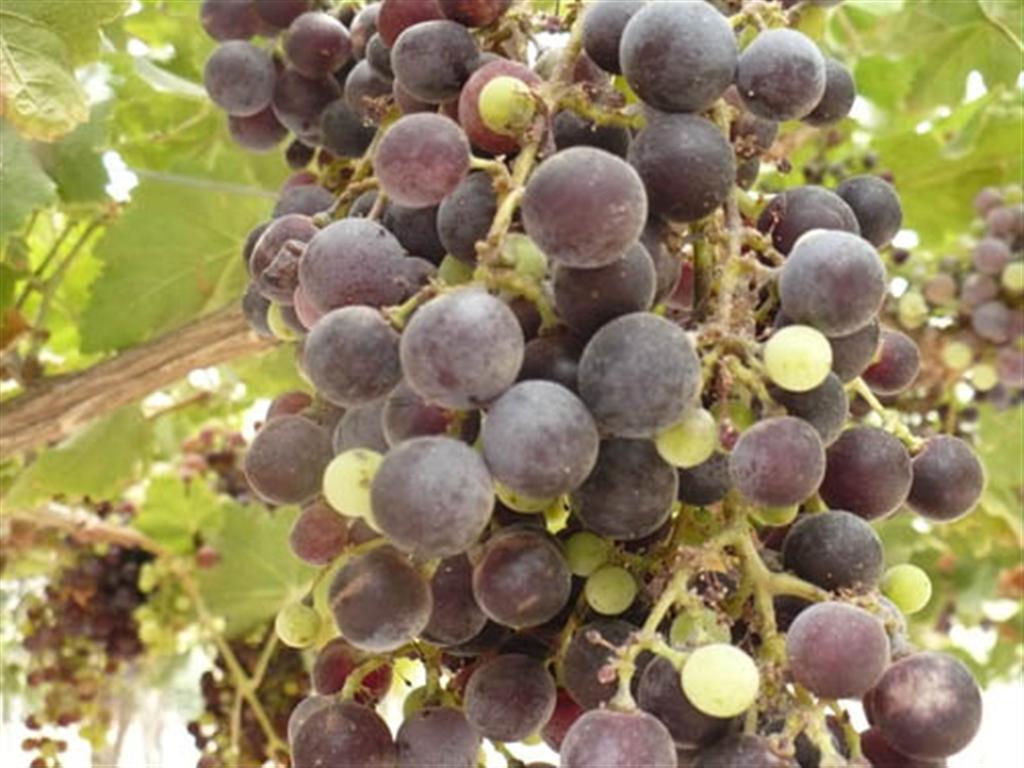 y mistelas de excelente calidad, además de participar en concursos de pisco. Me llamaron la atención especialmente los piscos de Torontel, tanto los puros como los mostos verdes. Esta variedad aromática pertenece a la familia de los moscatos, y en Francia se utiliza para producir uno de los vinos más apreciados del mundo: el Muscat de Frontignan. Las plantaciones de Torontel se encuentran al sur de la ciudad de Ica, aproximadamente a 36 km en el distrito de Ocucaje y a 13 km en Santiago. Como sabemos, la uva aromática Torontel se caracteriza por sus aromas sutiles que recuerdan a flores y frutas cítricas, con notas de azahares y frutos tropicales. También se aprecian sensaciones dulces a manjar blanco, miel y pasas rubias. En boca, presenta una persistencia media larga y un final con matices de piel de cítrico. Los que he tenido la oportunidad de degustar en estos últimos días, tanto de bodegas grandes como de medianas y pequeñas, están muy bien elaborados. Es evidente el gran interés por ofrecer productos de alta calidad, y eso es digno de aplaudir.
 Desde el pais del pisco Degustando Piscos |
|
Revista Cocktail edición No 68, agradeciendo por la oportunidad.
Revista Cocktail No. 68 septiembre 07 del 2023 |
 bueno.
Destilados del mundo |
|
Revista Cocktail edición No 67.
La semana pasada estuve dictando una cata de destilados en el Diplomado Internacional en Marketing y Comercialización de Destilados de la Universidad Privada San Juan Bautista en Ica. Agradezco la oportunidad. Esta universidad es, hasta el momento, la única que cuenta con la carrera de Enología y Viticultura. Nos tocó trabajar en la cata con diferentes destilados nacionales e importados. Participaron en el curso especialistas en marketing, productores, ingenieros, catadores, sommeliers, bartenders y maestros destiladores de diferentes regiones. Asimismo, tuvimos el aporte de una destilería peruana de vodka de papa nativa y finalizamos el viernes con una cata de pisco, realizando varios ejercicios propuestos por el Ing. Juan Carlos Palma. Estos ejercicios consistieron en las diferencias organolépticas entre un pisco Torontel y un Singani de Bolivia, ambos destilados de uva, así como entre Quebranta, Torontel y Albilla. En todos los ejercicios, los alumnos demostraron su capacidad para encontrar características y diferencias en cada una de las muestras presentadas.
agosto 2023
Revista Cocktail Edición No 67 agosto 07 del 2023
|

Saborear el pisco |
|
Revista Cocktail edición No 66, agradeciendo por la oportunidad.
Vamos a realizar un ejercicio distinto a la degustación, empezando por la nariz para luego pasar a la vista. Recuerden que la vista no cambia, sin embargo, hay aromas que se van perdiendo en segundos desde que se sirve el pisco en la copa. Debemos percibirlos. Nuestros seis sentidos están encadenados. La vista es la que más rápido nos informa, no obstante, el olfato es el que nos precisa lo que tenemos enfrente: agradable, desagradable, agresivo o comestible. |
 el destilado de bandera. Una de mis favoritas es la de un presidente del Perú en los años 20, quien todos los días después del almuerzo tomaba una copa de pisco; demorándose 40 minutos en hacerlo. Un día, por curiosidad, le preguntaron: «¿por qué se demora tanto?». Su respuesta fue: «porque el pisco hay que saborearlo». Lo primero que se debe saber antes de probar un pisco es que es un destilado de alta graduación alcohólica: 42° o más.